
When we talk about water, we often think of it as a resource – something we cannot live without. But there is another side to water. When there is too much of it, it becomes a risk. And the way societies deal with that risk increasingly raises the question: are we prepared enough – and are we all equally protected?
This question is the focus of World Water Day 2026, which this year is marked under the motto “Water and Gender Equality”. The theme focuses on the connection between water, climate risks and inequality – including when it comes to floods.
Floods are not just a natural disaster
In recent years, North Macedonia has been facing increasingly frequent extreme weather events – intense rainfall, flash floods and river overflows. But, as experts point out, floods are not just the result of natural processes.
“Rain is natural. But the damage from floods depends on how we manage space and water,” say experts in the field of risk management.
Construction in risk zones, insufficient protection of riverbeds, limited early warning systems and a lack of coordinated plans – all these factors increase vulnerability.
That is why the modern approach to floods is not just about reaction, but about prevention and systemic risk management.
Who is most vulnerable when the water rises?
Although floods can affect anyone, their impact is not evenly distributed.
Research shows that in crisis situations, the most vulnerable are:
- rural communities
- lower-income families
- the elderly
- women, especially in households with limited access to resources
Women often have a central role in caring for the home and family, which means that in flood conditions they are the ones who evacuate later, bear responsibility for other family members, and have limited access to information and resources.
In addition, they rarely participate in decision-making processes related to risk management. Flood risk is not only physical, but also social. It reflects existing inequalities.
EU Floods Directive: system instead of reaction
To reduce the consequences of floods, the European Union has established a clear framework through the Floods Directive, which requires countries to:
- carry out a preliminary flood risk assessment
- produce flood hazard and risk maps
- prepare flood risk management plans
These activities are carried out in a six-year cycle, with regular updates of data and measures. The goal is clear: instead of reacting after a disaster, to act in advance – through planning, coordination and information.
North Macedonia in the process of harmonization
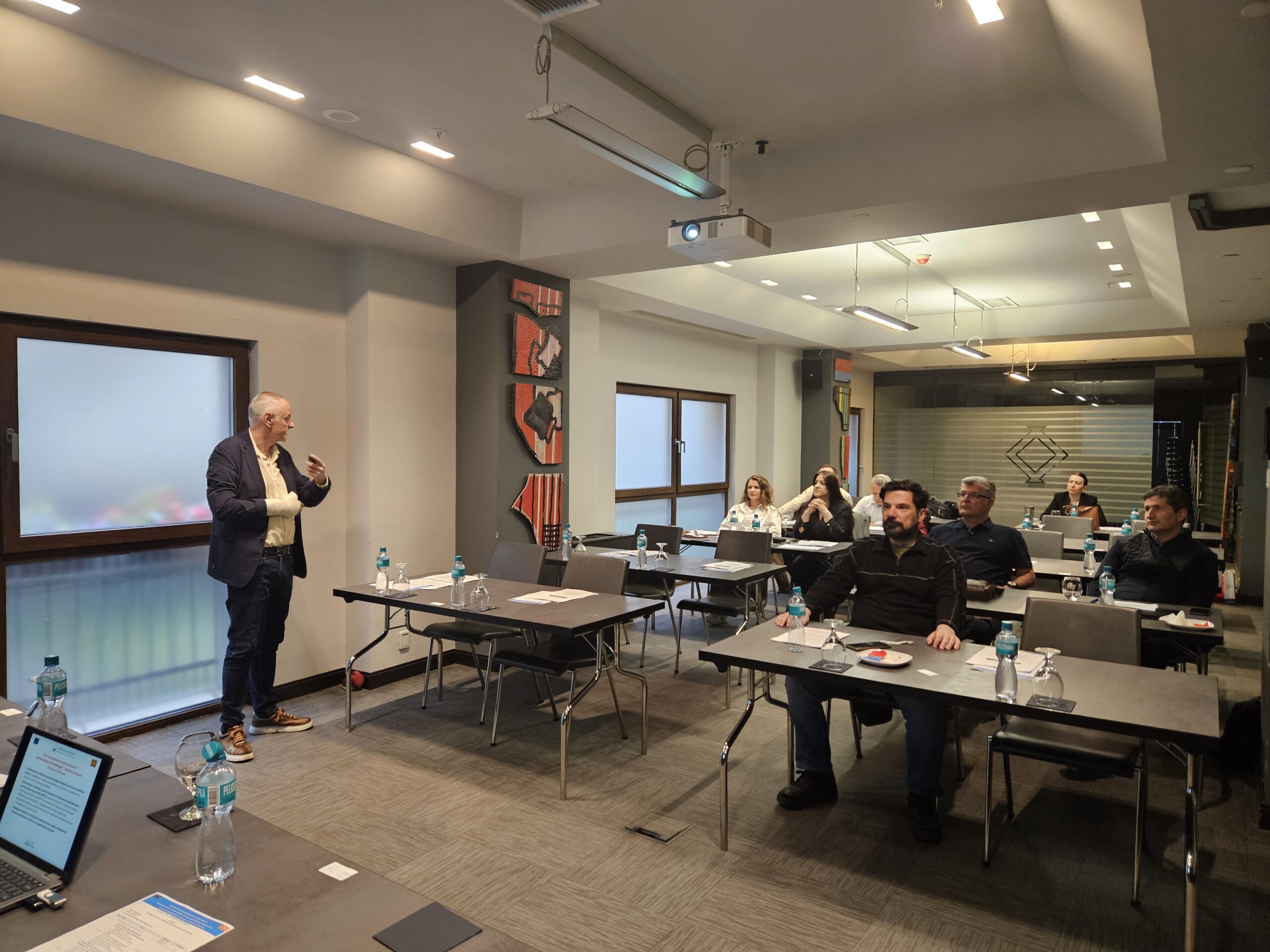
In North Macedonia, the process of harmonization with European standards in this area is ongoing. Through the project “Improved Implementation of the EU Floods Directive through Harmonization of National Legislation and Preparation of Flood Risk Management Plans”, concrete steps are being taken to strengthen the system.
The project covers:
- improving the legal framework
- developing risk management plans
- strengthening institutional capacities, and
- involving local communities
A key part of this process is raising public awareness of the risks and ways to protect themselves.
Is everyone part of the solution?
Although the technical aspects of flood management are well defined, the question is increasingly being asked: do the solutions include everyone?
In the context of the theme of World Water Day 2026, the need for the inclusion of women in decision-making processes, taking into account the diverse needs of communities, and of course access to information for all is particularly emphasized.
Experts warn that without such an approach, even the best technical solutions may be ineffective. Resilience is not built only with infrastructure, but also with inclusive policies.
Climate change increases risk
An additional challenge is climate change, which is already affecting the intensity and frequency of precipitation. According to analyses, more frequent extreme precipitation, a greater risk of flash floods, and greater damage to infrastructure and agriculture are expected.
This means that flood risk management will become even more important in the coming years.
From awareness to action
One of the key challenges remains the lack of information among citizens. Many do not know whether they live in a risk area, nor what to do in the event of a flood.
Therefore, part of the efforts are aimed at the availability of information, education of the population, and the inclusion of communities in the processes
Water will continue to be part of everyday life as a resource, but also as a potential risk. The question is not whether there will be floods, but how we will deal with them.
On World Water Day 2026, the message is clear: water management is not just a technical issue, but also a question of equity, security and responsibility.
Because when water has power – the way we manage it makes a difference.